 Selected Stores Open 7 Days

Deals
-
Soft Poly Stock Savings - Order Now
Click Here

Selected Stores Open 7 Days
Deals
Sydney homeowners are embracing a fresh approach to carpet selection in 2026. The carpet trends 2026 reveal a strong shift towards natural fibres, textured designs, and calming neutral palettes that complement Australia’s indoor-outdoor lifestyle. Gone are the days of one-size-fits-all beige – today’s carpets make a statement while remaining practical for Sydney’s climate and family living.

Sydney’s property market and lifestyle are shaping what homeowners want underfoot. Open-plan living spaces require carpets that flow seamlessly between rooms, while rising energy costs have led buyers to seek natural insulation properties. Australian families also want carpets that can handle beach sand, pets, and everyday wear without constant maintenance.
The sustainability movement has gained serious momentum, too. More Sydney homeowners are asking about where their carpet fibres come from and how they’re produced. This isn’t just a passing trend – it’s reshaping the entire flooring industry.
Wool carpets are experiencing a major comeback in Sydney homes. Modern wool blends offer stain resistance and durability that match synthetic options, but with natural temperature regulation that’s perfect for Sydney’s climate. Expect to see 80/20 wool-nylon blends becoming the go-to choice for high-traffic areas like living rooms and hallways.
Flat, uniform carpets are losing ground to textured options. Loop pile, cut-and-loop combinations, and ribbed textures create visual interest without bold colours. These carpet designs work brilliantly in Sydney’s light-filled homes, creating subtle shadows and depth that change throughout the day.
The decade of cool greys is officially over. Sydney homeowners are embracing warmer neutrals – think oatmeal, latte, terracotta-tinged beiges, and soft sage tones. These colours complement timber flooring in adjoining spaces and create a cohesive, grounded feel throughout the home.
The most requested carpet designs in Sydney showrooms right now feature subtle patterns rather than bold statements. Heathered effects, where multiple tones blend together, are particularly popular – they hide marks brilliantly while adding sophistication.
Berber-style loop carpets are making a comeback as well, especially in bedrooms and media rooms. The chunky, textured appearance adds a cosy, contemporary feel that Sydney buyers love. For families, these designs are practical – they’re forgiving with spills and don’t show vacuum tracks.
Low-pile options dominate living areas and open-plan spaces. Sydney’s preference for indoor-outdoor living means homeowners want carpets that transition smoothly to tiled or timber areas without a jarring height difference.
The carpet trends 2026 reflect what Sydney homeowners truly value – natural materials, practical luxury, and timeless design. Whether you’re renovating an apartment or building a new family home, today’s carpet options offer more choice, better performance, and genuine sustainability than ever before. The key is finding a carpet that suits your home’s architecture, your family’s needs, and your personal style.
Ready to explore the latest carpets in Sydney for your home? Our flooring experts at Carpet Right can show you samples of these trending styles and help you find the perfect match for your space, lifestyle, and budget. We’ll guide you through colours, textures, and materials that’ll work beautifully in your home for years to come.
Your hallway, entryway, and kitchen cop a beating every single day. Footsteps, spills, pet claws, dropped shopping bags – these spaces need flooring that can handle it all without looking worn out in six months. So what’s the most durable flooring that’ll actually last?
The answer depends on your specific needs, but vinyl flooring, porcelain tiles, and engineered timber consistently top the list for high-traffic durability. Each offers different benefits, and the right choice comes down to your lifestyle, budget, and the room you’re fitting out.

When it comes to the most durable flooring, three options stand out: luxury vinyl planks, porcelain tiles, and engineered timber.
Luxury vinyl flooring tops many lists because it’s virtually indestructible. The wear layer protects against scratches, the waterproof core handles spills without warping, and it’s soft underfoot – a bonus in homes with kids or older residents. Modern vinyl flooring looks remarkably like real timber or stone, so you’re not sacrificing style for toughness.
Porcelain tiles are the tank of flooring materials. They resist scratches, stains, water, and heavy impacts better than almost anything else. They’re ideal for kitchens and bathrooms where moisture is constant, though they can feel cold and hard underfoot.
Engineered timber flooring offers natural beauty with better stability than solid timber. A quality engineered timber with a thick wear layer can be sanded and refinished, giving it decades of life. While not quite as bombproof as vinyl or tile, timber flooring adds warmth and value that synthetic materials can’t match.
Beyond the top three, you’ve got other solid options depending on your space.
Laminate flooring sits between vinyl and timber in terms of durability and price. Modern laminates handle scratches well, but they’re not waterproof – a spill left sitting will cause damage. They work well in living rooms and bedrooms but think twice before using them in kitchens or laundry areas.
Hybrid flooring combines the waterproof benefits of vinyl with the rigid core stability of laminate. It’s tougher than standard vinyl and handles temperature changes better, making it popular for homes with underfloor heating or direct sunlight exposure.
Carpet tiles might surprise you as a durable flooring option for commercial spaces or busy family homes. Individual tiles can be replaced if damaged, they’re stain-treated, and they provide cushioning that hard surfaces don’t. Just choose commercial-grade options with high wear ratings.
These cop the most foot traffic, often with outdoor dirt and moisture. Porcelain tiles or luxury vinyl are your safest bets here. Both handle moisture and are easy to clean – just sweep and mop.
You need waterproof and stain-resistant. Porcelain tiles have been the kitchen standard for decades, but vinyl flooring is gaining ground because it’s warmer underfoot and quieter when you drop things (which will happen).
You have more flexibility here. Engineered timber creates a premium look, vinyl offers practical durability, and even quality carpet works if your household isn’t too rough on floors. Consider how much direct sunlight hits the room – some materials fade faster than others.
Safety and durability both matter. Carpet provides grip and cushioning if someone slips. Timber looks stunning, but can get slippery. If you go with hard flooring on stairs, non-slip stair nosings are essential.
Understanding what creates durability helps you compare products properly.
Choosing the most durable flooring means balancing toughness with aesthetics, comfort, and budget. Vinyl gives you the best all-round durability at a reasonable price. Porcelain wins on pure indestructibility. Engineered timber delivers timeless style with solid longevity.
At Carpet Right, we help Sydney homeowners select flooring that’ll handle their specific traffic patterns and lifestyle needs. We stock quality options across all categories, and our team can show you exactly how different materials perform in real-world conditions.
Your floors should last at least 15-20 years. Getting the material choice right from the start saves you money, hassle, and the disruption of premature replacement.
Flooring is a significant investment, and something you hope will withstand the wear and tear of everyday life for many years to come. If you’ve just installed new carpet, you can expect it to last between 5 and 15 years. However, the exact lifespan depends heavily on the material you choose, the amount of foot traffic it receives, and the level of maintenance it receives.
If you’re looking at investing in carpets in Sydney, understanding the differences in materials and maintenance can save you thousands in the long run.
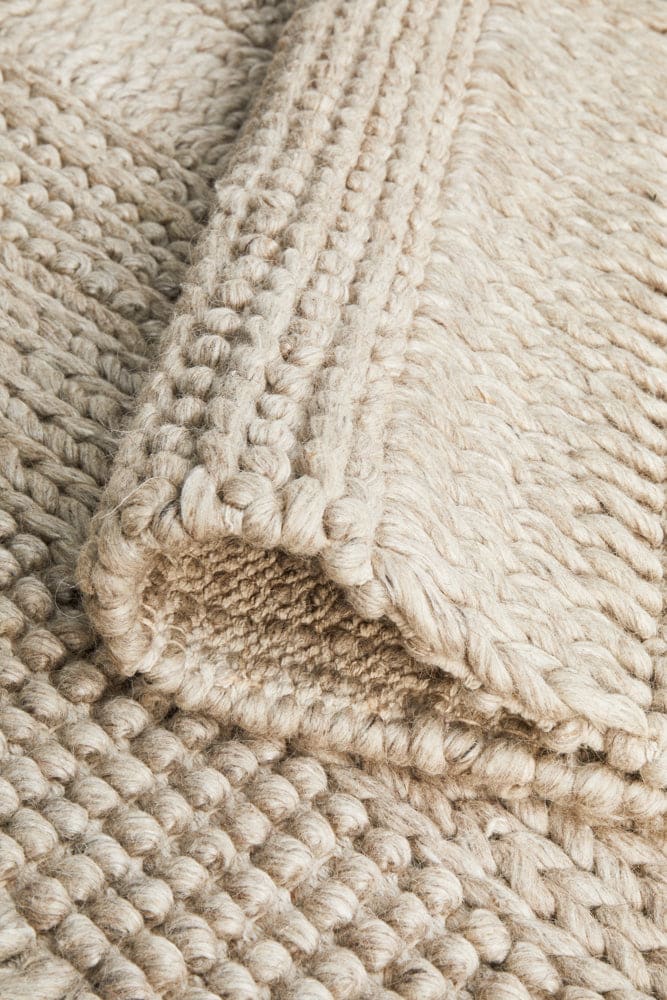
How long does carpet last?
The material you choose is the single biggest factor in determining carpet lifespan. Here’s what you can expect from each type.
Nylon is the workhorse of carpet materials. It typically lasts 10-15 years because it’s incredibly resilient and bounces back from compression better than any other fibre. If you’ve got kids running around or heavy furniture, nylon carpet flooring handles it without showing premature wear. It’s also stain-resistant and handles high foot traffic in hallways, living rooms, and stairs.
Polyester carpets last 5-10 years on average. They’re softer underfoot than nylon and brilliant at holding vibrant colours, but they don’t handle heavy traffic as well. You’ll notice matting sooner in busy areas. They work beautifully in bedrooms or guest rooms where comfort matters more than durability.
Wool carpets are the premium option, lasting 20-30 years with proper care. Natural wool fibres are incredibly resilient and actually improve with age when maintained correctly. They’re naturally stain-resistant and flame-retardant too. The catch? They cost more upfront and need professional cleaning to maintain that longevity. But if you’re after wool carpet flooring that’ll last decades, it’s worth the investment.
Olefin lasts 5-10 years and is your most budget-friendly option. It’s moisture-resistant (great for basements) and handles outdoor use well, but it crushes and mats more easily than nylon or wool. You’ll typically see it in commercial settings or low-traffic residential areas.
If you’ve got pets, expect your carpet to last about 20-30% less time than the standard estimates. Dogs and cats accelerate wear through constant traffic, scratching, and accidents that can penetrate deep into carpet padding.
How long does carpet last with pets specifically? A nylon carpet that’d normally last 15 years might only give you 10-12 years in a pet household. The key is choosing dense, stain-resistant fibres and acting fast when accidents happen.
Nylon handles pet wear better than other materials because its fibres are more resilient. Dark or patterned carpets also hide pet-related stains and wear better than light solids.
Beyond material type, several factors determine whether you’ll get 5 years or 20 years from your carpet:
Ready to choose carpet that’ll stand up to your lifestyle? Whether you need hard-wearing nylon carpet flooring for a busy family home or luxurious wool carpets that’ll last decades, we’ll help you find the perfect match. The team at Carpet Right provides expert advice on material selection, proper installation, and maintenance strategies that maximise your carpet’s lifespan. Visit one of our Sydney showrooms or get in touch to discuss your flooring needs.
Choosing between laminate vs hybrid flooring? You’re making the same decision thousands of Australians make every year, weighing up two of our country’s most popular flooring options. What you might not know is that your decision comes down to one crucial factor – water resistance.
Hybrid flooring is 100% waterproof, whilst laminate offers superior scratch resistance at a lower price. Here’s everything Sydney homeowners need to know.

The main difference between these two flooring types lies in their core construction, which directly affects their performance.
Hybrid flooring uses either a Stone Plastic Composite (SPC) or Wood Plastic Composite (WPC) core. SPC cores combine natural limestone with PVC plastic, creating a rigid, waterproof base that won’t expand with temperature changes. WPC cores use recycled wood and PVC, offering a slightly softer feel underfoot but at a higher price point. Both core types are topped with a waterproof vinyl wear layer that protects against scratches and daily wear.
Laminate flooring, by contrast, uses a high-density fibreboard (HDF) core infused with resin. This core is topped with a paper-based photographic layer that’s sealed with a hard-wearing melamine coating. The HDF core gives laminate excellent scratch resistance but makes it vulnerable to moisture damage. European-manufactured laminate generally offers better-quality cores than Chinese alternatives, although that gap has narrowed in recent years.
Here’s where the laminate vs hybrid flooring debate gets interesting, and where your decision might be made.
Hybrid flooring is genuinely 100% waterproof from top to bottom. Spills can sit on the surface without causing damage, making it perfect for Sydney kitchens, laundries, and even bathrooms. You can mop hybrid floors without worry, and the occasional pet accident won’t cause permanent damage.
Laminate offers water resistance, not waterproofing. Modern laminates can handle spills for 24-72 hours, depending on the quality, but standing water will eventually seep through the joins and cause the HDF core to swell. Once water damage occurs, laminate planks need to be replaced. For dry areas like bedrooms and living rooms, this isn’t an issue. But for kitchens where spills are common? Hybrid flooring vs laminate becomes a clear choice in favour of hybrid.
Budget matters, and laminate wins on price. In Sydney, you’ll pay $20-60 per square metre for laminate materials and $25-40 per square metre for installation. That’s roughly $45-95 per square metre fully installed. Hybrid flooring costs $35-70 per square metre for materials and $30-40 for installation, around $65-110 per square metre installed.
Both flooring types are installed similarly, using click-lock systems that float over your existing subfloor. Installation time is comparable. The key difference? Hybrid floors can often be scored and snapped with a sharp knife, whilst laminate requires power tools for cutting. Most hybrid options come with pre-attached acoustic underlay, potentially saving you $5-15 per square metre on underlay costs.
One important consideration: both floors need a level subfloor, though hybrid is slightly more forgiving. Subfloor levelling adds $40-90 per square metre if required, so factor this into your budget.
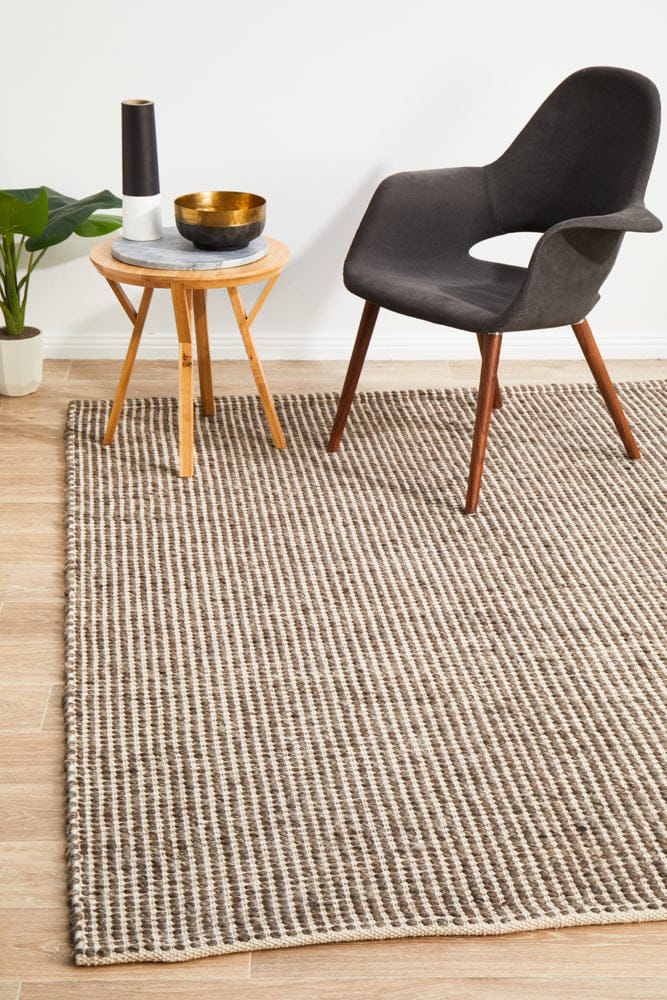
It depends entirely on where you’re installing it.
Choose hybrid flooring if:
Choose laminate flooring if:
Both options deliver realistic timber looks that suit any interior design style, from modern coastal to classic Federation homes across Sydney. The photographic layer quality has improved dramatically in both product types, with high-end options virtually indistinguishable from real timber to the untrained eye.
When comparing hybrid flooring vs laminate for your Sydney home, start by mapping out which rooms need flooring. Many homeowners choose hybrids for open-plan kitchen-dining-living areas where water exposure is likely, and laminate for bedrooms where moisture isn’t a concern. This hybrid approach (excuse the pun) balances budget with practical needs.
At Carpet Right, we help Sydney homeowners navigate the laminate vs hybrid flooring decision every day. Our team can show you samples in your own home, assess your subfloor conditions, and provide honest recommendations based on your specific needs. Whether you’re renovating a Bondi apartment or a North Shore family home, we’ll ensure you choose flooring that performs beautifully for decades.
Ready to see the difference for yourself? Browse our full range of hybrid flooring and laminate flooring options, or contact our team for a free in-home consultation.
You’re standing in a showroom surrounded by carpet samples, and the salesperson just asked the million-dollar question: wool or nylon? It’s not just about what feels softer underfoot. The wool vs nylon carpet debate comes down to how you live, where your home is in Sydney, and what you’re willing to spend – both upfront and over the next 15 years.

When comparing these two materials, you’re essentially choosing between natural fibres and engineered performance. Wool comes from sheep and has been carpeting homes for centuries. Nylon carpet flooring arrived in the 1950s and quickly became Australia’s most installed carpet option due to its practical benefits.
The wool vs nylon carpet choice isn’t about which is “better” universally. It’s about which suits your specific Sydney home. A Bondi beachside apartment faces different challenges than a Parramatta townhouse – humidity, sun exposure, and lifestyle all play a role.
Wool’s appeal starts the moment you walk on it barefoot. The natural crimp in wool fibres creates a soft, cushioned feel that synthetic materials struggle to replicate. But comfort is only part of the story.
Temperature regulation is wool’s secret weapon. Sydney’s climate swings from 8°C winter mornings to 40°C summer days during heatwaves. Wool carpets naturally insulate your home, trapping warmth in winter and keeping cool in summer. You’ll notice lower heating and cooling costs, particularly in larger rooms.
When properly maintained, quality wool carpets last 20–25 years because the fibres have natural memory. They bounce back after compression from furniture or foot traffic. This resilience explains why heritage homes and luxury hotels still specify wool.
The environmental angle matters to many Sydneysiders. Wool is renewable, biodegradable, and processing it generates 25% less CO2 than synthetic fibres. If sustainability factors into your buying decisions, wool ticks that box convincingly.
Wool’s absorbent nature means spilled wine at your Saturday night dinner party needs immediate attention, or you’ll face stubborn staining. Worse, poor ventilation combined with humidity creates conditions for mildew growth. You’ll need to vacuum religiously.
Nylon, particularly solution-dyed nylon, was engineered specifically to solve wool’s practical limitations. The result is carpet flooring that handles Sydney family life without breaking stride.
Stain resistance is nylon’s standout feature. When colour is locked into the fibre during manufacturing (solution dyeing), there are no open dye sites for spills to grab onto. Red wine, coffee, pet accidents – most wipe away with standard carpet cleaner. For families with toddlers or pets, this difference is significant.
Sydney’s intense UV exposure matters more than you’d think. Solution-dyed nylon won’t fade in north-facing rooms or sunrooms where wool carpets often discolour within 5-7 years. This is particularly relevant for apartments with floor-to-ceiling windows or homes in Sydney’s western suburbs, where summer sun is relentless.
Moisture handling suits our climate perfectly. Nylon doesn’t absorb liquid the way wool does. Spills sit on the surface, humidity doesn’t penetrate deeply, and Sydney’s occasional heavy rain won’t trigger mould growth even if moisture tracks inside.
The nylon vs wool carpet comparison on cost heavily favours nylon. Quality nylon runs $125-250 per square metre installed, while comparable wool starts at $200 and reaches $500 for premium grades. For a standard three-bedroom home (120 square metres), you’re looking at a $6,000-12,000 difference.
Nylon generates static electricity – those annoying shocks you get in winter. It’s also petroleum-based, so it’s not biodegradable and doesn’t regulate room temperature. And while modern nylon is soft, it doesn’t quite match wool’s plush, luxurious feel. Expect 10–15 year lifespan with heavy traffic.
For coastal suburbs: Nylon handles salt air and humidity better. Wool in beachside homes requires vigilant maintenance to prevent moisture issues.
For western suburbs: Both work well, but nylon’s fade resistance matters more here due to stronger sun exposure and higher summer temperatures.
For families with young children: Nylon wins convincingly. The stain resistance and easy cleaning offset the comfort trade-off. You’ll spend less time worrying about spills and more time enjoying your home.
For bedrooms and formal living areas: Wool justifies its cost here. Lower foot traffic, less spill risk, and the comfort factor make it worthwhile. Many Sydney homeowners choose wool carpet flooring for bedrooms and nylon carpet flooring for living areas.
For investment properties: Nylon is the practical choice. Lower upfront cost, easier for tenants to maintain, and better durability under uncertain care make it the landlord favourite.

Start with your lifestyle, not the sales pitch. If you’re home most days, enjoy maintaining things properly, and value natural materials, wool could be your match. If you’ve got a busy household, limited cleaning time, or pets, nylon makes daily life easier.
You can also consider a hybrid approach. 80/20 wool-nylon blends offer a middle ground. You get most of wool’s comfort and natural properties with some of nylon’s stain resistance, at a more affordable price point.
Ready to choose the right carpet for your Sydney home? Our team at Carpet Right specialises in matching carpet types to Sydney’s unique climate and your lifestyle needs. We’ll bring samples to your home so you can see how different fibres look in your actual lighting conditions.
Pet-Friendly Flooring for pet owners, choosing the right flooring goes beyond aesthetics; it’s about durability, maintenance, and comfort. From scratch-resistant materials to easy-to-clean surfaces, there are many flooring options that are ideal for households with pets. Here’s a guide to the best pet-friendly flooring to keep your home beautiful and functional, no matter how many paws are running around.
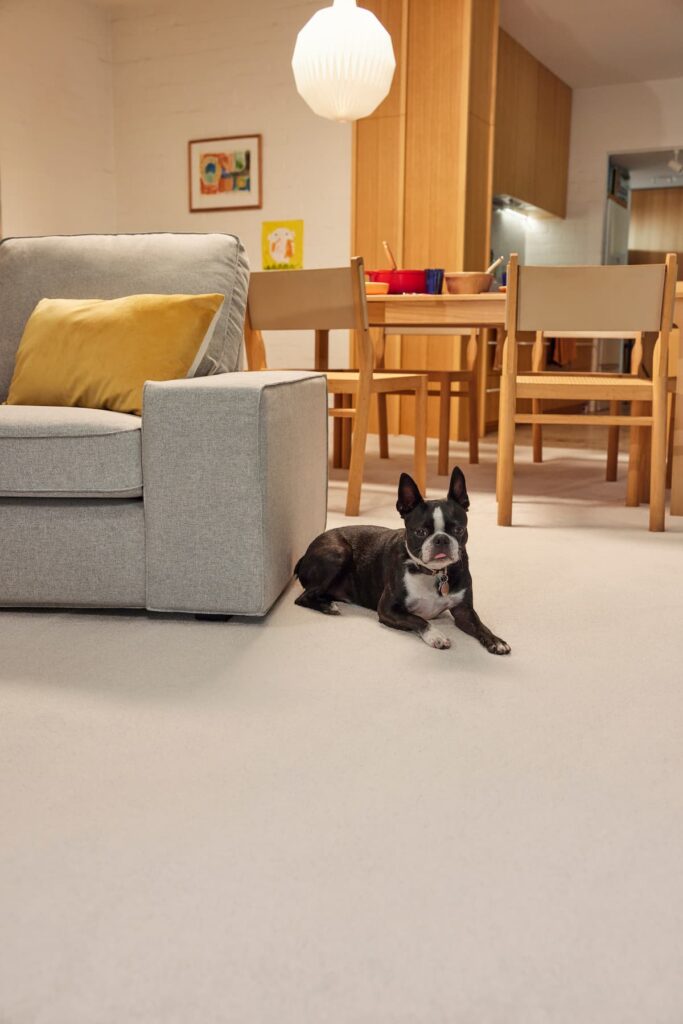
Carpet can be a fantastic pet-friendly flooring option, especially for pets who appreciate a soft surface to lounge on. Not only does carpet add warmth and comfort to a room, but it also provides extra traction for pets and helps with noise reduction, which is especially valuable in multi-level homes or apartments.
Benefits:
Drawback: Carpet is more prone to stains and odors, so it’s essential to choose a carpet with a stain-resistant treatment or consider darker colors and patterns to help mask pet-related wear.
Carpet Types for Pet-Friendly Homes:

One of the top choices for pet-friendly flooring is luxury vinyl. Known for its durability and water resistance, luxury vinyl is an excellent option for homes with pets. This flooring type is available in a variety of styles, including wood and stone looks, so you don’t have to sacrifice style for function.
Benefits:
Laminate flooring is another great option for pet owners. It’s durable, scratch-resistant, and available in a range of styles and finishes. Although it’s not entirely waterproof, it’s a budget-friendly choice that can handle pet activity with ease. Take a look at Amor Classic Laminate or Belle XL Laminate for some options.
Benefits:
Invest in Area Rugs and Mats: Adding rugs or mats in high-traffic areas or near food and water bowls can reduce wear on your floors and provide traction for pets.Regular Grooming: Keep pet nails trimmed to minimize scratches on any type of flooring.Clean Spills Quickly: Prompt cleaning helps prevent stains, odors, and water damage.
Choosing pet-friendly flooring means finding the balance between durability, comfort, and style. Whether you have a playful puppy, a curious cat, or a senior pet that needs extra support, there are fantastic options to suit your home and lifestyle. Flooring like luxury vinyl and tile offers the durability needed for active pets, while cork and engineered hardwood provide comfort and elegance without compromising on resilience.
Wool Carpets, when it comes to choosing the perfect carpet, wool stands out as a premium, natural option that combines luxury with practical benefits. Known for its softness, durability, and eco-friendly nature, wool carpets have remained popular in homes for decades. Here’s everything you need to know about wool carpets and why they might be the perfect choice for your space. Visit Bremworth to understand Why Wool?
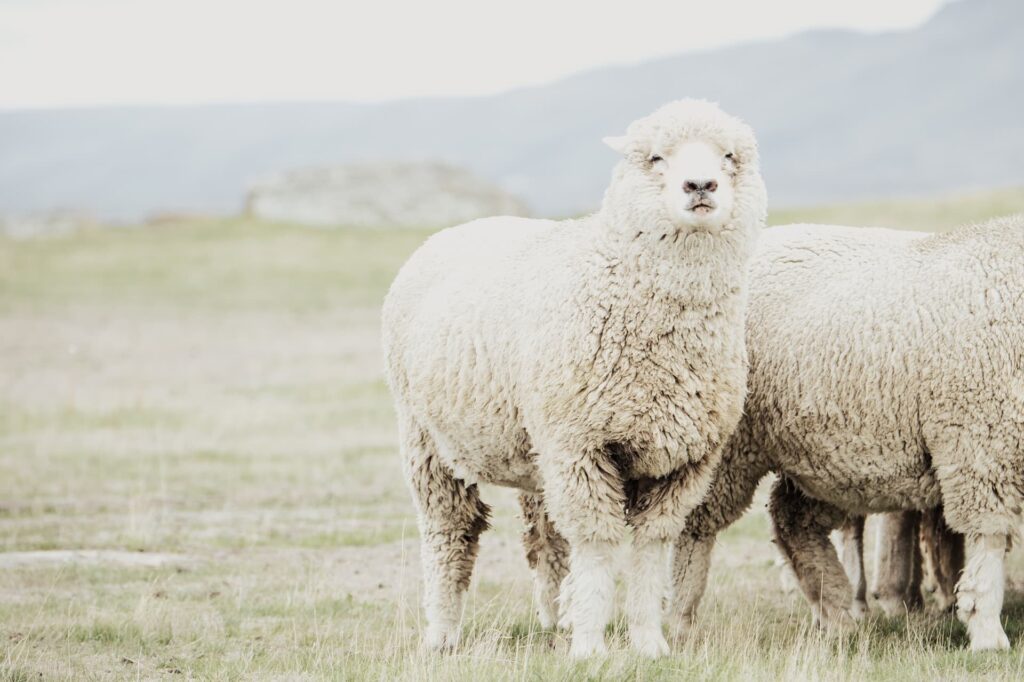
One of the primary benefits of wool carpets is its naturally soft and comforting feel underfoot. Wool fibers are springy and resilient, offering a plush experience that other materials often can’t match. This makes wool an ideal choice for areas where comfort is key, such as living rooms and bedrooms.
Wool carpets are renowned for their durability. The fibers’ natural resilience makes wool carpets less prone to flattening or matting, even in high-traffic areas. Unlike synthetic carpets, wool can bounce back to its original shape, ensuring that your carpet stays looking fresh and luxurious for years to come.
Another significant benefit is its insulation capability. Wool helps retain warmth, making it a great option for colder months and climates. By reducing heat loss, wool carpets contribute to energy efficiency and can even lower heating bills. Additionally, wool carpets provide sound insulation, which is ideal for noise reduction in busy households.
Wool has a natural, protective coating called lanolin, which makes it naturally resistant to dirt and stains. While no carpet is completely stain-proof, wool’s unique structure helps repel liquids and prevent dirt from settling deeply into the fibers. With proper care, your carpets can maintain their fresh appearance for years. Visit Stonefields Wool Carpet or Samurai Wool Carpet for some wool options.
For those who value sustainable living, wool carpets are an environmentally friendly choice. Wool is a renewable resource, as it’s harvested from sheep annually without harming the animal. Additionally, wool is biodegradable, so it has a significantly smaller environmental footprint compared to synthetic materials. Choosing wool aligns with eco-conscious values, supporting a natural and sustainable home.
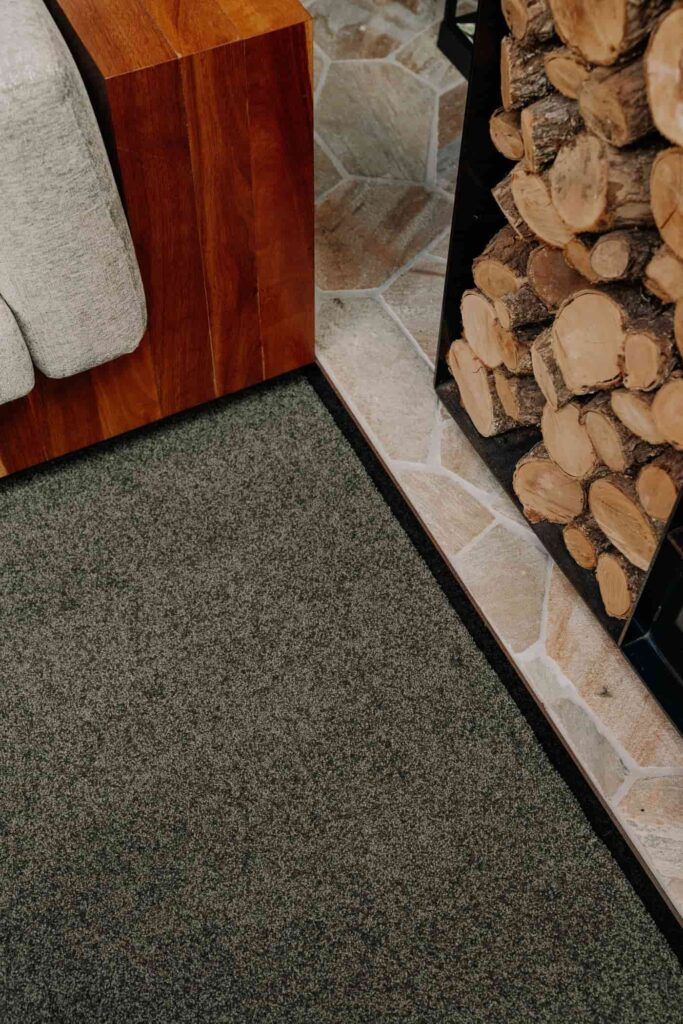
Another key benefit of wool carpets is their hypoallergenic properties. Wool fibers naturally filter air by trapping dust and allergens until they can be vacuumed away, improving indoor air quality. Wool also lacks the chemical additives often found in synthetic carpets, making it a healthier choice for homes with allergies or sensitivities.
To keep your wool carpet looking its best, follow these simple maintenance tips:
Choosing wool carpets is more than just a flooring decision; it’s an investment in quality, comfort, and sustainability. With unmatched natural resilience, luxurious softness, and hypoallergenic qualities, wool carpets bring a host of benefits that synthetic options often can’t replicate. From their ability to insulate and reduce energy costs to their eco-friendly, biodegradable nature, wool carpets truly embody a blend of elegance and practicality.
At Carpet Right, we’re passionate about helping our customers find the perfect wool carpet to match their style and lifestyle needs. Our experts are ready to guide you through our selection, ensuring that you find the ideal balance of color, texture, and durability to enhance any space. Whether you’re upgrading a cozy family room or adding warmth to a formal living space, our range of wool carpets offers options for every taste and budget.
Carpet Trends 2024, carpet design is all about bringing a harmonious balance of comfort, color, and style into your home. From earthy tones to luxurious textures, this year’s carpet trends are redefining interiors. If you’re planning a home update or a fresh renovation, here’s a look at the top carpet styles and colors to watch in 2024.
Gone are the days when carpets were limited to neutral shades. In 2024, bold and moody colors are making a statement. Rich, deep hues like navy, forest green, and even charcoal are being used to add warmth and character to a room. These shades are perfect for creating cozy vibes in bedrooms and living rooms. Visit https://www.pantone.com/ for the latest in pantone inspiration.
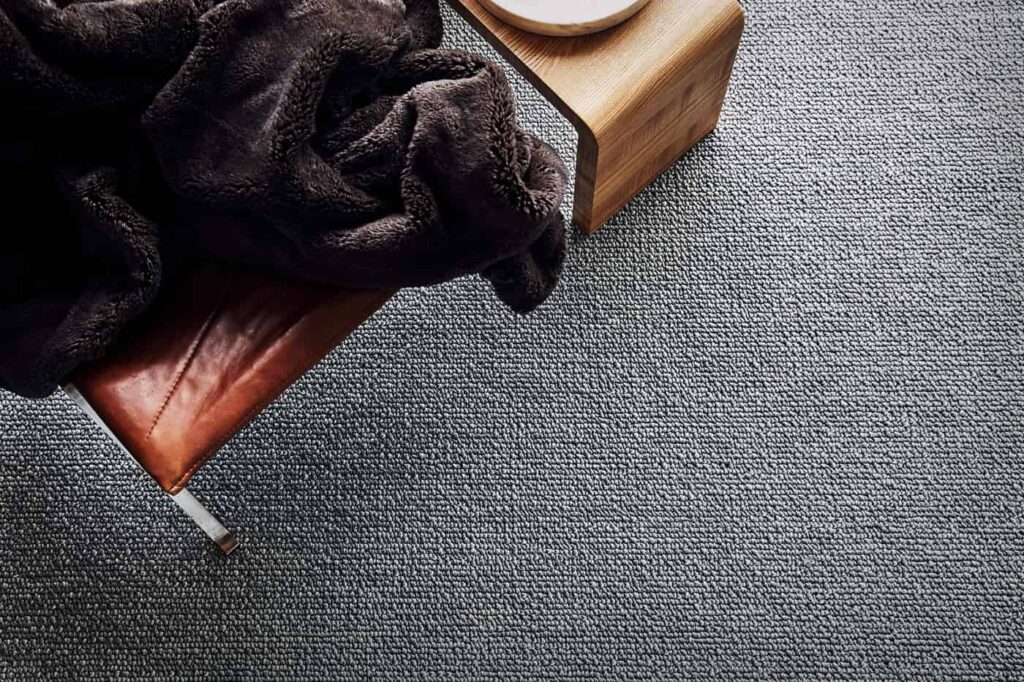
While bold colors are trending, nature-inspired neutrals continue to dominate for those who prefer subtle elegance. Think of shades like clay, sandy beige, taupe, and muted greens. These colors work well in any room, providing a calm, organic look that suits a wide range of interior styles.
Pro Tip: Look for carpets made from eco-friendly materials in these tones to bring an even more authentic, natural feel to your space.
Texture is a huge factor in 2024 carpet trends. Homeowners are opting for layered textures and patterned carpets to add depth and character to their spaces. Carpets with looped pile, ribbed designs, and cut-and-loop combinations bring a visual and tactile dimension that simple weaves cannot achieve. Some beautiful styles can be found at Lattice Wool Carpet or Ravine Wool Carpet.
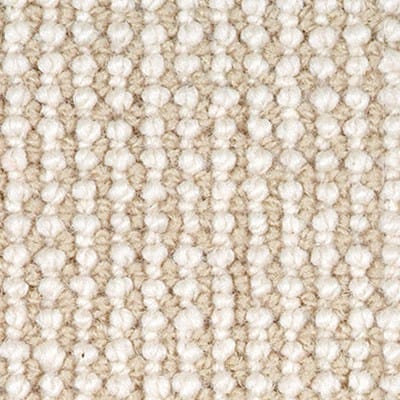
As sustainability continues to be a priority for many, eco-friendly carpets are more popular than ever in 2024. Look for carpets made from natural fibers like wool, jute, and recycled materials. Not only are they stylish, but they also have a positive environmental impact.
Pro Tip: These materials are often hypoallergenic and safer for indoor air quality, making them ideal for households with allergy concerns.
For those who love making a statement in Carpet Trends 2024, bold patterns and graphic designs are trending in 2024. Carpets with geometric patterns, floral designs, or even animal prints are becoming popular choices for accent areas. These designs work well in smaller spaces or as a statement piece in a larger room.
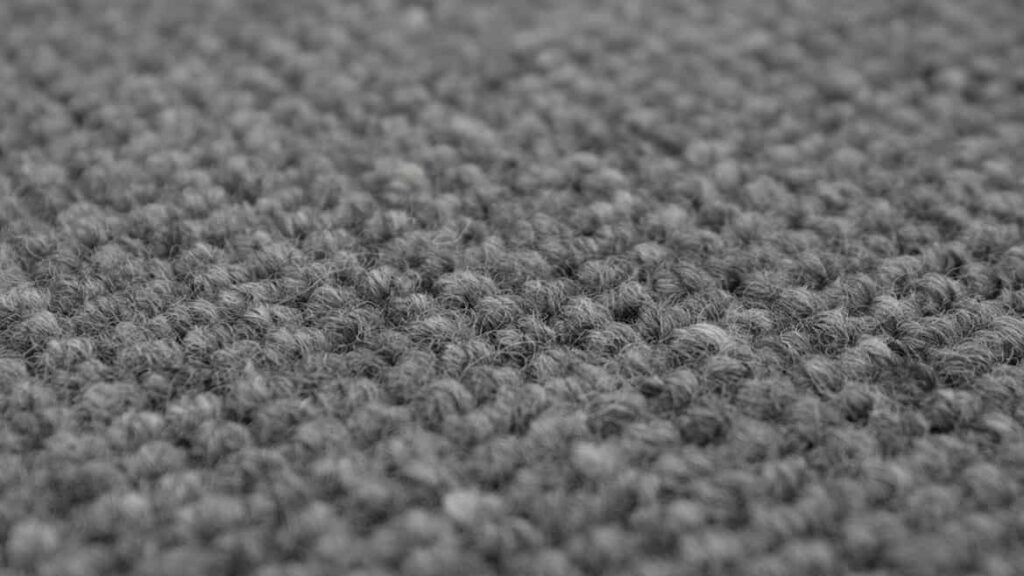
With an array of styles, textures, and colors leading the way in 2024, updating your carpets is one of the simplest yet most impactful ways to refresh your living space. Whether you’re drawn to bold colors, luxurious textures, or sustainable materials, this year’s trends are all about making your home feel more personal, comfortable, and stylish.
At Carpet Right, our experts are ready to help you find the perfect carpet that suits your taste, lifestyle, and budget. From choosing the right pile to matching your aesthetic vision, we’re here to guide you every step of the way. Visit us in-store to feel the textures in person or browse online for inspiration and convenience. Dive into the latest in Carpet Trends 2024 with Carpet Right, and let’s transform your home with flooring that brings out the best in every room.
